Here is what I’ve learned regarding bipolar disorder and work.
1. It’s hard to work when you have mood swings. So, decreasing the mood swings with a treatment plan (I use my Health Cards system and my books to remind myself how to help myself!) will help you work more.
2. Bipolar Disorder mood swings can be productivity killers. Especially the ADHD components of the illness. Mania is seemingly great for productivity- but only if you can harness it into real work!
3. Work abililty may not get better, but YOUR ability to work around your mood swings and the other odd stuff that bipolar throws at you can get much, much better.
So, here I am.
I was diagnosed in 1995. Didn’t get relief from meds- in fact they made me worse as I was given anti depressants like candy! When I created the Health Cards, I was able to work a lot more- but still only part time. Then, in 2002 I found my calling- eBooks. I know, that was a long time ago. BipolarHappens.com was the first site on the web to sell self help eBooks! Times have certainly changed.
But I digress. Here is why my title to this blog post is so true… I’m 47 and there is a still a HUGE part of me that believes my bipolar work issues are going to just go away one day. Becuase of this, I’m way too hard on myself when I can’t ‘get my act together.’ Nine years of hard work to finally realize- this is it! I think I’m at my work apex in terms of bipolar- in other words, all I can do (and it’s what I now do) is work around my mood swings and do my best. I never have trouble with appointments such as with my coaching clients, but it’s the nebulous stuff I find hard! Thus, one of my tips is to have places you must be and clients you must see. It’s not about quality of work at all!
I am lucky if I can work 25 hours a week. You probably think I work more! I just do all I can on the days when work is pretty easy. Today, bipolar is being kind to me and I’m going to work as much as possible!
I hope to offer encouragement to all people with bipolar disorder: we CAN work, we just have to find out what WORKS BEST for us!
PS: There are two main forms of bipolar disorder. One type of bipolar disorder is bipolar I. This means the person has full blown mania (often with psychosis if the mania gets really bad.) The second kind of bipolar disroder is bipolar II. This means a person has hypo mania. If you click on the mania category to the right- there is a deeper explanation between bipolar one and bipolar two. Julie
All drugs can interact with bipolar disorder medications. Many times a health care professional will say that a certain medication will not affect bipolar disorder symptoms and this can be quite untrue. For example, steroid use such as cortisone is often given in small doses in very specific areas of the body. You may hear that the drug will stay in one spot and not affect moods, this is not the case. All medications go through organs including the brain and can affect moods. Check carefully before you take a small dose of anything.
Oh this is so true! I have had reactions to cortisone, valerian, amino acids, birth control pills and so many more! I had a reaction to homeopathic lithium!
There are MANY over the counter drugs, supplements, vitamins, minterals,etc that can interact with bipolar medications as well as affect brain chemistry seperately. I recently tried a new amino acid called NAC and was manic and gained 10 pounds in one month. It was supposed to help bipolar depression!
It’s the same with Taurine, 5HTP, etc. This is why I tell people to be extremely careful with products such as True Hope/Empowerment and any other natural treatments for bipolar disorder. Any subsance you put in your body affects the brain.
I could go on and on about this- but my main goal is for all of us to think before we take anything from over the counter!
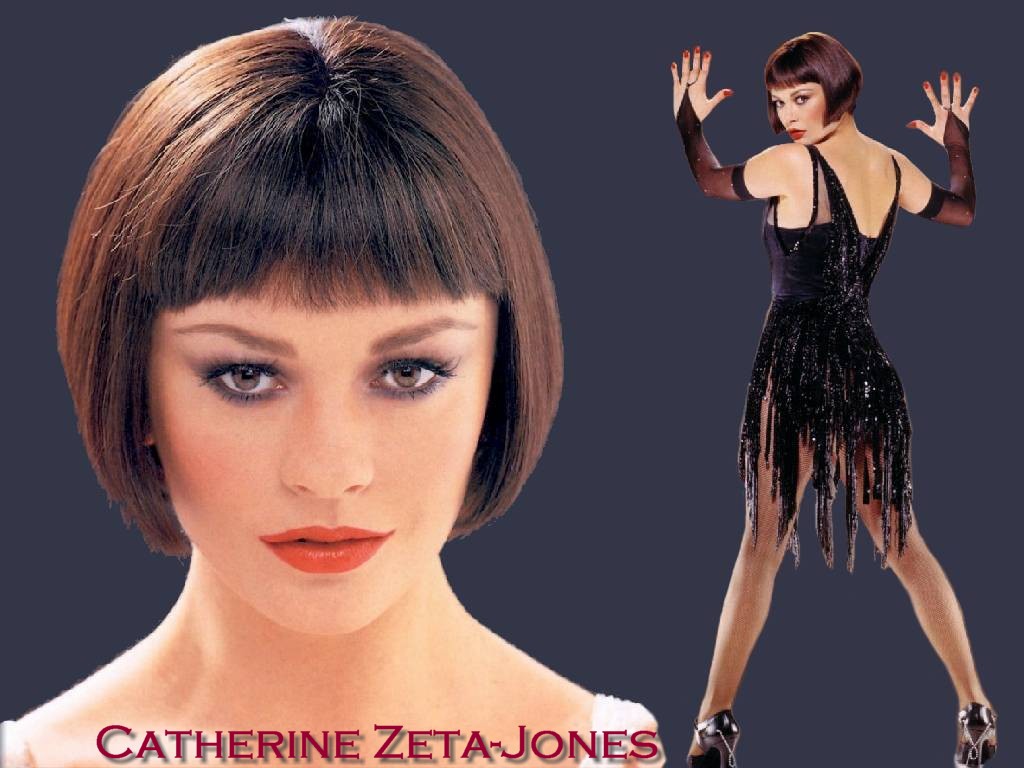
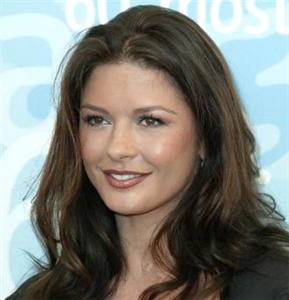
She has done more for bipolar disorder management in one day than all of the books written in the last year. She has put her gorgeous face on what is often seen as a crazy, out of control face. She has a family and a life. She shows it can be done. I want to learn more on what kind of bipolar II she has as it seems pretty darn well under control- but I am sure more will come out about that.
My note to her!
Thank you Catherine Zeta Jones. You have saved lives- you have made it ok to use the words bipolar disorder, By saying you have bipolar II (two), you will open a discussion about the different forms of the illness! By putting out an informed press release and being open about bipolar disorder, you have done more in one day to encourage openness than all of the speculation about Britney Spears and all of the worry over Charlie Sheen’s obvious manic episode has encourage secrecy and exploitation in the media.
I will be forever grateful. It makes my work a lot easier!
I can’t believe it. I simply can’t believe it. An honest depiction of bipolar disorder in the media. No one is shooting anyone. No one is saying ‘crazy’ things, no one is being exploited.
With one simple, simple statement from a publicist, Catherine Zeta Jones has made it ok to have bipolar disorder. This may seem a bit like hyperbole, but I can tell you for sure it’s not. I work with clients all day who have children and partners with untreated bipolar disorder. In many cases they simply refuses to say the words! This is why what a simple statement about bipolar disorder from an honest actress can make the difference.
“After dealing with the stress of the past year, Catherine made the decision to check in to a mental health facility for a brief stay to treat her bipolar 2 disorder,” publicist Cece Yorke said in a statement.
Catherine Zeta-Jones Seeks Treatment for Bipolar 2 Disorder
The celebrity face of bipolar disorder has typically been, well, sort of crazy (think Britney Spears or, so it’s been speculated, Charlie Sheen). So when a publicist for Catherine Zeta-Jones, who has been stalwart in supporting her husband, Michael Douglas, through his battle with cancer over the past year, announced that the actress had sought treatment for bipolar 2, it was a surprise to many.
From 1995-1998, depression (especially depression with psychosis) took away everything that I loved – everything- my health, my relationships with friends and loved ones, my ability to work.
It still tries to do this today, but now it only gets a small section of my life instead of years. I hate depression so much that even a few hours of depression are too much for me now.
When I get depressed, I go into fight mode and I simply don’t stop working on it until the depression is gone. (I use the tips in my book ‘Get it Done When You’re Depressed’ daily.)
Depression doesn’t even get one minute of my life without a huge fight. At first it took months to get better, then weeks then days – now I can get better in one day if I really work hard.
My bipolar disorder is always around, but I have changed.
There is no room for depression in my life and I make that very clear to the big monster when it knocks on my door.
Parent, Caregiver, Partner or Health Care Professional?
Enter your email below and sign up for Julie’s The Stable Lifestyle newsletter.
Mom Brain Podcast
Listen to Julie’s latest interview on bipolar disorder and mental health in children, teens and adults on the Mom Brain Podcast with Hilaria Baldwin and Daphne Oz.
The health information contained herein is provided for general education purposes only. This site should not be seen as a substitute for an official diagnosis or for professional health care.