Write Your Bipolar Disorder Self Help Book!

Tips for writing a book to help others manage bipolar disorder:

Want to get your wit, tips and wisdom on the page? Here is my strategy for writers who want to create self help books that stay in print for decades:

1. Here’s who I am.

2. Here’s what I’ve been through.

3. Here’s the problem.

4. Here’s how I solved it.

5. Here’s how I’m going to help you do the same.

***
This is a great way to start a self help book. One of my writing secrets is that I outline my books as I write. I have a structure in place before I start the content of the book.  You can use these five sections as an outline and start filling in the sections with your ideas. The book will create itself. All of my self help books including The Health Cards Treatment System for Bipolar Disorder, Get it Done When You’re Depressed, Bipolar Happens!, Take Charge of Bipolar Disorder and Loving Someone with Bipolar Disorder used this process.

Good luck with your writing.

I know you can do it!

Julie

Click here to read an article from the Renegade Writer blog about my writing process. It’s from quite a few years ago, but my system hasn’t changed. One thing that has changed? I’m not depressed like I used to be. We CAN get better.


Guest Blogger Tom Wootton on The Ecstasy of Depression

tom woottonAuthor and deep thinker Tom Wootton challenges me every time I read his work.  We have chosen different paths on our journey with bipolar disorder, but we both believe that extreme self evaluation and reflection are an important part of learning to manage this illness.  He sent me the link to his thought provoking and view shifting article from Psychology Today with these words:


I value depression as much as any state. Have you seen my article about finding ecstasy in depression? Perhaps my most radical article.


Click here to read Tom’s Article How I Found Ecstasy in Depression  from Psychology Today

I believe there are a myriad of ways to manage bipolar disorder.  Tom offers a path that might help you if you have not yet found work that resonates with how you or a loved one experience bipolar disorder.  Think of what you need- explore what is out there and then find what works for you! 

You can read more about Tom’s work, including his books at www.BipolarAdvantage.com.

Julie


Bipolar Disorder? You Can Get Things Done When Life Gets Tough


Business Finish Line


Do you have trouble getting things done when bipolar disorder is active?               

Do you care about someone who would like to be more productive, but the bipolar disorder mood swings make it difficult to get things done?
I have good news.  People with bipolar disorder can learn to get things done!
I was recently interviewed by health and lifestyle guru Dr. Lorraine Haataia on the topic of how we can learn to get things done no matter what we are going through in life. She asked me about my own experiences around bipolar disorder and work and we then had an inspiring conversation on how the strategies in my book Get it Done When You’re Depressed: 50 Strategies for Getting Your Life on Track can help anyone who struggles with motivation (my views on motivation may surprise you!), getting started and following  through!I hope you find the tips helpful- and if you have read the book, the interview offers more insight into my work process when my bipolar is giving me trouble.
PS: If you have read Get it Done When You’re Depressed, how do you use the strategies?
Please visit me at Julie A. Fast on Facebook and share your experiences.  Let’s help everyone with bipolar disorder get things done. 
Julie

Anxiety Listorama… how many anxiety symptoms do you share?

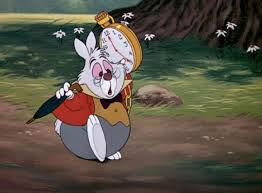
anxiety white rabbit

Anxiety is a common symptom of bipolar disorder.   It’s especially prevalent when you’re depressed or in a dysphoric manic episode.  I did a talk in California a few months ago and asked the audience to write down their anxiety symptoms. Here’s the list- wow- there are a lot. How many do you share?

ANXIETY SYMPTOMS

FEARFUL      SCARED     UPSET STOMACH     NAUSAUS WHEN WAKING     SHORTNESS OF BREATH     HEART PALPITATIONS   ROCKING BACK AND FORTH   INABILITY TO FOCUS   IRRATIC THINKING   FOOT TAPPING   CANT CONCENTRATE     SWEATING   BREATHING HARD  THINK I’M HAVING A HEART ATTACK   PANIC   PAIN   OVER THE TOP EMOTIONS   PACING   RESTLESS LEGS   CAN’T SLEEP  MIND WON’T SHUT UP   OBSESSIVE   EAT A LOT   ANGRY   LACK OF MOTIVATION   UNABLE TO MOVE FORWARD   SCARED SOMETHING BAD IS GOING TO HAPPEN     HEADACHES AND MIGRAINES   FEEL CLAUSTROPHOBIC  BUZZED ALL OVER FEELING  DREAD  TENSION IN SHOULDERS   WORRIED I’VE DONE SOMETHING WRONG BUT I CAN’T REALLY FIGURE OUT WHAT IT IS  WRING MY HANDS     CAN’T SIT STILL    HAVE THE THOUGHT THAT I HAVE TO GET OUT OF WHEREEVER I AM   RUNNING AWAY    CAN’T DRIVE   FEEL LIKE I’M GOING TO DIE   UNABLE TO THINK RATIONALLY    CATOSTROPHIC THINKING    RAPID PULSE   CAN’T EAT AT ALL   WANT TO DRINK COFFEE WHICH IS SO STUPID   NEED TO DRINK TO CALM DOWN    SAD AND LONELY    FEEL LIKE IT WILL NEVER END    DISORGANIZED   HEAVY DARKNESS OVER MY HEAD    MEAN    EMOTIONAL    NERVOUS TICS   TREMORS   EXCESSIVE TALKING  WHITE GAUZE OVER MY EYES   SHAKING HANDS    SWEATY HANDS   FEEL LIKE I’M GOING TO PASS OUT    CAN’T TALK    WANT TO BOLT    TENSE MUSCLES    DEPRESSION   PAIN IN CHEST    FRUSTRATION    FEEL UNSURE   SIGHING    NO CONFIDENCE   CAN’T SEE A WAY OUT    HYPERACTIVE    SOCIAL PROBLEMS

oh my…. no wonder anxiety can be so hard to treat! The first step is to write down your own anxiety symptoms so that you can separate yourself from the anxiety- then you can create a plan to take care of the anxiety so that you can get on with life. This is how the Health Cards work. We have to know what we are up against in order to get better.

Julie

Parent of a Teenager with Bipolar Disorder? Why What Teens Worry About Matters….

teen girlTeenagers have the same symptoms as adults with bipolar disorder, but how they see the illness is quite different. This is especially true when it comes to WORRY.

The worries of a teen are different than adult worries and this must be reflected in how we help teens manage this illness.

Teenagers care about….what others think, their short term future, friends, who said what to whom, dating, studying, being popular, electronic devices, music, school and the pressures of substance use. (Just to name a very few!)

These are very different than the adult worries of supporting themselves, supporting others, divorce, retirement, work, raising children, making money, changing the world and mortgages. It’s easy to compare these lists and discount teen worries as superficial- but they are never superficial to the teens themselves.


Teens also live in a world where nothing is private. They can easily make huge mistakes on social media when they are in a mood swing. They communicate through text sound bites, worry about what others will think far more than adults do and often have to deal with too many pressures to succeed in our fast paced world.

When you talk with a teen about bipolar disorder, think of what it means to them to have the illness, not what it would mean to an adult.

Julie

My Mood is Stable Today!

shopping cart mania 50

Bipolar disorder? Good news. My mood is stable today This means the following:

1. I got up and started doing what I needed to do for the day. It wasn’t like I was walking through mud.

2. I didn’t make a big list of all I have to do in life and then get upset because I can’t do it all today. I take today for today and do what I can.

3. I started my day with a coaching client. It’s a good way for me to get on schedule immediately as I can’t be wishy washy about the time I start working.

4. I’m not having a running conversation in my head that sounds like two people discussing my life and telling me what’s wrong!

5. I’m not in a euphoric hypomanic episode. This means the ideas will be regular and not overwhelming. It also means that I won’t go to my favorite store and just start shopping for fun. That’s what the picture represents. It’s not fun when you see the price tag!

Yay, A stable day. It’s the only way to live. I use my Health Cards daily to keep my mood swings from going too far. You can do the same! 

Julie